The diligence reality gap
Technical due diligence often evaluates how technology is described. The harder question is how the organization actually operates.

The Diligence Reality Gap
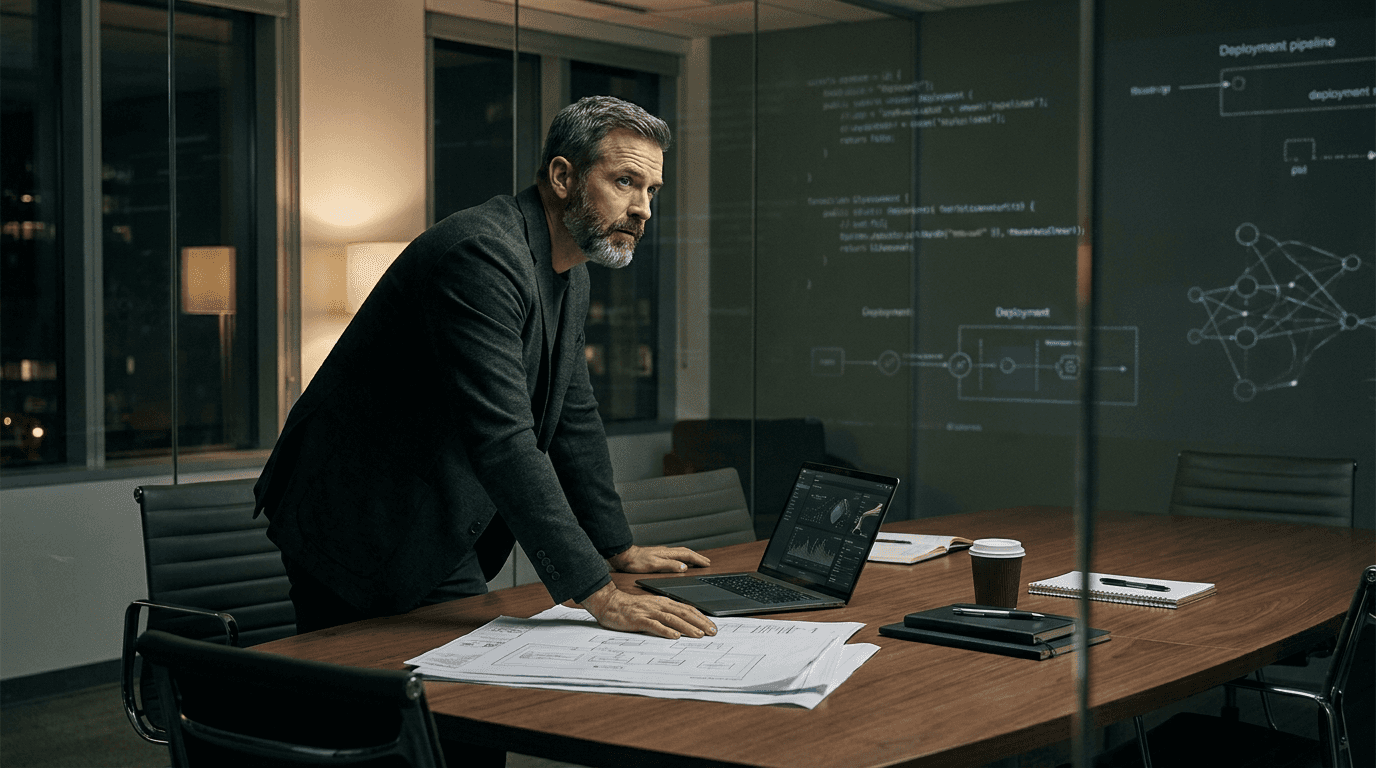
Technical due diligence appears at different moments in the life of a company. During investment rounds, investors want confidence that the technology can support the next stage of growth. During M&A, technology itself may be part of the acquisition thesis. In other cases, the real asset is the engineering team: its ability to execute, scale, and continue evolving the product after the transaction.
The intent is reasonable. Investors and acquirers need to understand whether the technology is strong enough, whether the team can keep delivering, and whether there are hidden risks that will become expensive later. These are the right questions, especially when technology risk can directly affect valuation, integration, or future growth.
But there is a structural problem.
Most technical due diligence evaluates how a company describes its technology and ways of working, not how the engineering organization actually operates. It works through curated representations: documents, interviews, presentations, and limited access to technical or operational systems.
These inputs are useful. They explain how the company understands its architecture, how leadership presents the engineering story, and how the organization says work is supposed to happen. But they describe intent, not behavior. They do not show how work actually moves through the system, where execution depends on specific people, or whether the organization is building from a scalable model or accumulating hidden risk.
That is the diligence reality gap: technical due diligence is supposed to evaluate technology risk and execution capability, but it usually relies on descriptions of a living system. When technology or engineering talent is central to the thesis, that gap becomes material.
Diligence often evaluates the version of reality that can be safely shared, not the one that actually runs the company.
Why diligence misses the operating reality (and why M&A makes it worse)
The limitation isn't that people ask the wrong questions. The limitation comes from the conditions under which those questions have to be answered.
Diligence happens under pressure. Timelines are short, access is controlled, confidentiality is high, and in many cases only a small group of executives knows the process is even happening. That isn't a failure of diligence — it's a constraint of the process. Because of those constraints, diligence has to evaluate the company through the version of reality that can be safely shared. The issue is not that those inputs are wrong. The issue is that they describe intent more easily than behavior.
A company can present a clear architecture, a thoughtful roadmap, a mature operating model, and an experienced engineering team — and none of that shows whether:
capacity is actually aligned with the stated roadmap,
collaboration works as described,
knowledge is broadly distributed or concentrated in a few people,
progress depends on a small number of individuals carrying invisible load,
or who really unblocks the organization when something stalls.
The most important diligence signals come from behavior, not documentation. Delivery flow, quality patterns, ownership distribution, firefighting, strategic alignment — these only become visible through how the organization behaves over time.
In M&A, the gap becomes more material. In a funding round, technical diligence is mostly about understanding risk. In an acquisition, technology and engineering capability are part of the asset being acquired. The acquirer is not only asking whether the system has problems — they're asking whether the technology, the team, and the way the company builds will continue creating value after the deal.
That makes the evaluation harder. The broader engineering team usually doesn't know the process is happening. Interviews are restricted. Access to internal systems and engineering conversations is limited. A strong technical narrative can explain why the acquisition makes sense, but it may not reveal whether the team ships through a healthy operating model or through constant heroics, whether knowledge is broadly distributed or concentrated, or whether quality is being protected by a small group of people absorbing most of the complexity.
The value of an acquisition does not depend only on what exists at the moment of the deal. It depends on what continues to work after the transaction. The product still needs to evolve, the team still needs to operate, and the knowledge that created the value needs to remain available. A strong technical narrative explains the opportunity. It does not answer the more important operational question: whether the technology and the team will keep creating value once the deal is closed.
From Technical Narratives to Operating Evidence
The answer is not to replace technical diligence with dashboards.
Technical reviews, leadership conversations, security assessments, and product context still matter. They explain intent, constraints, and strategic direction. But they are incomplete if they aren't complemented with evidence of how engineering has actually operated over time.
Operational engineering data adds that missing layer. Across months of real work, engineering organizations leave signals in the systems they already use. Individually, those signals are noisy. Interpreted over time and in context, they reveal patterns that curated representations cannot show.
The value isn't in counting activity. More commits, more tickets, more pull requests do not automatically mean better engineering. The value is in understanding how work flows through the organization: where effort is going, how delivery is distributed, how much work is strategic versus reactive, whether quality is improving, where collaboration or dependency patterns may create risk.
That changes the diligence conversation. Instead of:
“Is the roadmap credible?” → how has effort actually been allocated relative to the roadmap?
“Is the team strong?” → does execution depend on a few individuals or on a healthy operating model?
“Is technical debt under control?” → is rework increasing, stable, or decreasing — and where is it concentrated?
“Is the organization scalable?” → is delivery distributed across the team or concentrated in a few key people?
Used well, operational evidence is a stronger evidence base for technical judgment, not a replacement for it. The right level of analysis is aggregated, trend-based, and focused on organizational risk — not personal judgment. The question is never whether one engineer is "good" or "bad". The question is whether the organization has the operating capacity, resilience, and execution patterns needed to support the investment or acquisition thesis.
How Pensero helps
In a diligence context, the hardest part is not asking the right questions — it's getting evidence of how the organization actually behaves, in the time the process allows.
Pensero turns months of real engineering activity into a small set of diligence-usable signals, organized around the questions that matter most to investors, acquirers, and technical reviewers:
Execution capability: how delivery flows through the organization over time, and how reactive vs. strategic work is distributed.
Talent and key-person risk: how ownership is distributed, where knowledge concentrates, and where execution depends on a small number of individuals.
Quality and operational load: how rework, firefighting, and quality issues evolve over time, and where they're concentrated.
Strategic alignment: how engineering effort actually maps to the stated roadmap and the main bets of the company.
Trajectory: whether the operating model is improving, stable, or decaying — independent of any one quarter.
The point is simple: less reliance on curated representations, less debate about which numbers are real, and more time spent on the decisions diligence is really about.
Closing — From Narratives to Evidence
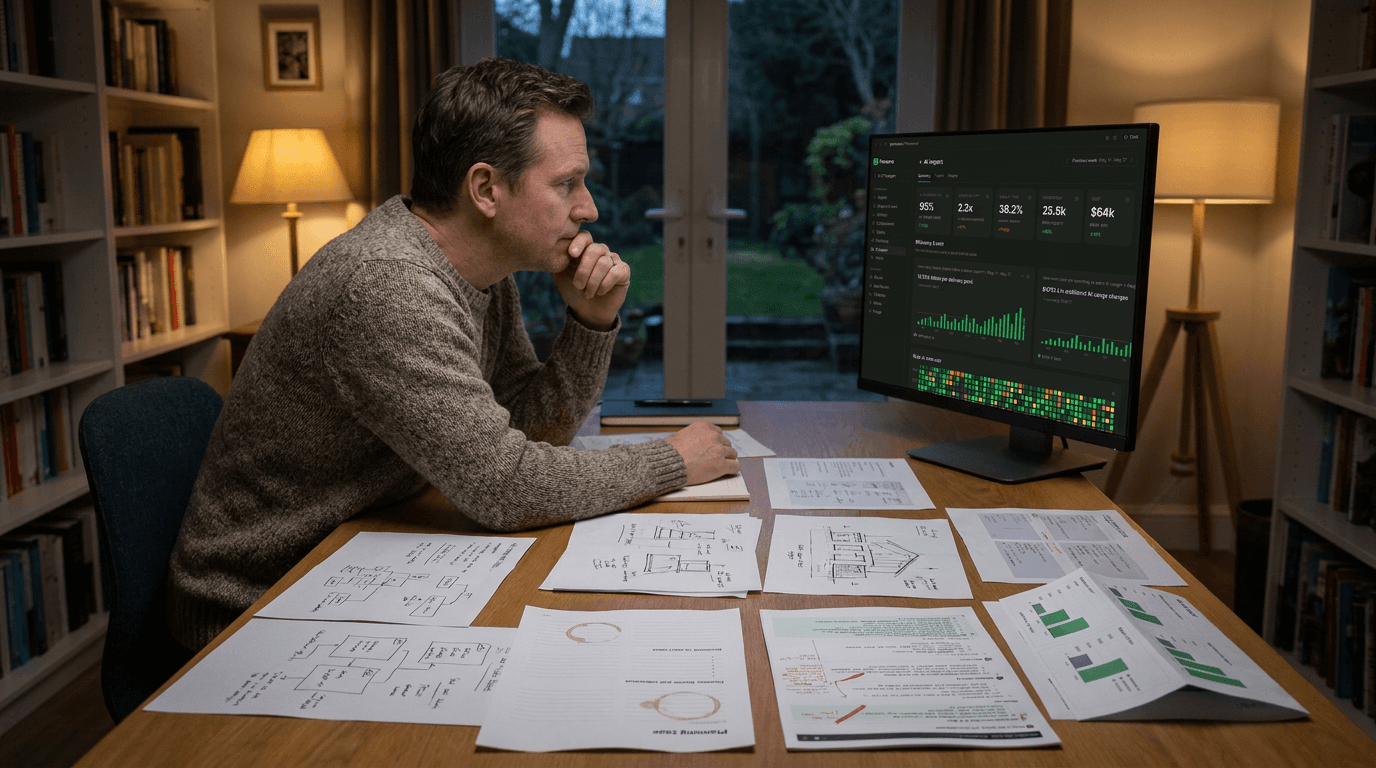
Technical due diligence has always tried to answer important questions. The limitation is that those questions are often answered from partial evidence. Technical narratives explain intent, context, and strategic direction. Operating evidence shows how that intent has translated into real engineering work over time.
Better diligence does not need to choose between narrative and data. It needs both. Technical reviews help understand the story behind the system. Operational evidence tests that story against how the organization actually behaves.
That is the shift technical diligence needs: from evaluating static representations of technology to understanding the operating system behind them. When technology or engineering talent is central to the thesis, operational evidence can be the difference between trusting the story and understanding the reality.
If you are trying to understand engineering execution, technical risk, or team capability beyond static reports and interviews, this is the problem we are solving at Pensero.
And if this space resonates with you, we’re also hiring: https://pensero.ai/careers